
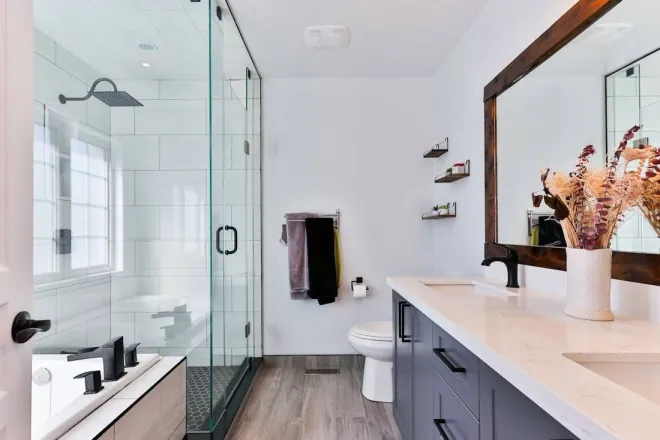
The question every homeowner asks first is how long they will be living around a torn-up bathroom. It is a fair thing to want pinned down, and the truthful answer is that a bathroom remodel takes as long as the work in it requires. A cosmetic refresh and a full gut with a new layout are different projects, and they run on different clocks. What helps is understanding the phases every bathroom goes through, because once you can see them, the timeline stops feeling like a mystery and starts looking like a plan.
The short answer
Most full bathroom remodels take a few weeks of active work from the day demolition starts to the final walkthrough. A small bathroom that keeps its existing layout can land on the quicker side of that. A large bathroom, or one where the tub, shower, or toilet moves, sits on the longer side, because moving fixtures means moving plumbing, and that adds both labor and inspections. Add the time it takes for materials to arrive and for the city to schedule its inspections, and you have the real calendar rather than the best-case one.
Before any of that, there is planning, and it is time well spent. We settle the layout, the materials, and the full scope on paper first, so the schedule we hand you reflects the actual job. That is the foundation of how a fixed-price remodel is built, and it is why our timelines tend to hold.
The phases, and where the time goes
Almost every bathroom moves through the same sequence. The durations below are typical ranges for a standard full bathroom and shift with the size and scope of your project.
| Phase | What happens | Typical time |
|---|---|---|
| Planning and design | Layout, materials, scope, and a written schedule | Before work starts |
| Demolition | Removing the old fixtures, tile, and surfaces | A few days |
| Rough-in | Plumbing, electrical, and any framing changes | Several days |
| Inspection | Sign-off on the rough work before walls close | Scheduled, varies by city |
| Walls and waterproofing | Backer board, waterproofing, then closing the walls | A few days |
| Tile and surfaces | Floor and wall tile, then setting and grout | Several days |
| Fixtures and finishes | Vanity, toilet, shower glass, lighting, and hardware | Several days |
| Final walkthrough | Punch list and the final inspection | Last step |
Reading down that list, you can see why the finished photos represent only the tail end of the job. The weeks before them are plumbing, waterproofing, and inspections, which is exactly the work that determines whether the bathroom lasts.
What makes a bathroom take longer
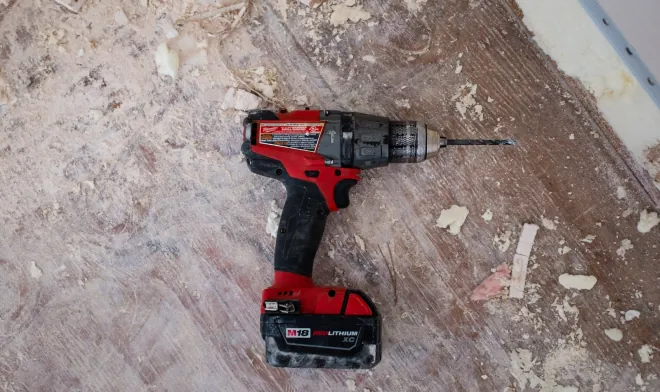
A handful of things stretch a timeline, and most of them are worth planning around rather than rushing. Moving the plumbing is the big one. Relocating a toilet, tub, or shower means rerouting supply and drain lines, and the drain has to fall at the right slope to work, which is more involved than swapping a fixture where it already sits. Material lead times are the next. Custom tile, a specific vanity, or shower glass cut to size can take time to arrive, and glass in particular is often measured and ordered only after the walls are set, so it lands late by design.
Then there is what hides behind the walls. Older Portland-area homes sometimes reveal water damage, dated wiring, or a plumbing setup that has to be corrected before the new work goes in. That is not a sign anything went wrong, it is the reason we open things up carefully and show you what we find. Correcting it right adds days, and skipping it would cost you far more later.
What keeps it on schedule
The single biggest thing that keeps a bathroom on track is deciding everything before demolition. When the layout, the materials, and the scope are locked in a written agreement, the crew is never waiting on a decision or a delivery mid-job. You get a written schedule at the start, and daily photo updates as the work moves, so you always know which phase you are in without having to ask. The crews are vetted and the job is run by owner-operator Daniel Petrovskiy under Oregon CCB #258040, active, bonded, and insured, and the labor carries a 3-year workmanship warranty. That structure is the Pinnacle Promise, and it is why homeowners have rated us 5.0 from 27 Google reviews.
Permits and inspections take time you should plan for
If your remodel moves plumbing or gas, changes electrical circuits, or alters a wall, it generally needs a permit, and permits bring inspections at set points in the schedule. Those inspections are not delays to work around, they are checkpoints that put your bathroom on the record as built to code. The catch is that they run on the city or county calendar, not yours, so we build them into the schedule from the start. How that process works across the metro is laid out in our guide to remodeling permits in the Portland metro.
Related reading
Planning a bathroom?
Tell us what you want to change. We will scope it, set a realistic schedule, and hand you a fixed price with the timeline in writing.
Get Your Fixed-Price Estimate Call (503) 341-9590Bathroom timeline FAQs
How long does a typical bathroom remodel take?
Most full bathroom remodels take a few weeks of active work once the job starts, with a small bathroom on the shorter end and a large or heavily changed one on the longer end. The biggest swing factors are whether you are moving plumbing or walls and how quickly materials arrive. A refresh that keeps the layout can move faster, while a full gut with a new layout takes more time because more trades are involved.
Why do bathroom remodels take longer than people expect?
Usually it is the parts you cannot see and the things outside anyone's control. Opening a wall can reveal old water damage or plumbing that has to be corrected before the new work goes in. Materials like custom tile, glass, or a vanity can have long lead times, and permits and inspections happen at set points in the schedule. Planning for those realities up front is what keeps a timeline honest.
Can I use the bathroom during the remodel?
For a full remodel of your only bathroom, plan on it being out of use during the active construction window, so it helps to arrange another option in the home or nearby. If you have a second bathroom, we sequence the work so your household keeps running. We map this out before demolition, so there are no surprises about which days are the disruptive ones.
Does moving the layout add a lot of time?
It can, because moving the toilet, tub, or shower means rerouting plumbing, and the drain in particular has to fall at the right slope. That is more work than swapping fixtures in place, and it often brings a permit and an inspection with it. Keeping the layout close to where it is now is one of the simplest ways to shorten a bathroom timeline without giving up the look you want.
Images shown are illustrative of the remodeling styles we work in, not photos of completed Pinnacle NW projects. Real project photography will replace them as jobs are documented.